
by John Calzaretta, Founder and CEO of Sentry Enterprises
For decades, sports and entertainment organizations have relied on merchandise to help fans express who they are. Jerseys, hats, commemorative tickets, and limited-edition collectibles have long served as symbols of loyalty and belonging. These products create emotional connections, celebrate memorable moments, and allow fans to publicly display their allegiance to a team, artist, brand, or community.
But traditional merchandise has one significant limitation: it is largely passive. Once purchased, most items are displayed, stored, or worn occasionally. While they may hold sentimental value, their role in the relationship between the fan and the brand often ends at the point of purchase.
Today’s leading sports franchises, entertainment companies, creators, and lifestyle brands are beginning to challenge that model. They are asking a different question: What if fan merchandise could become an ongoing platform for engagement rather than a one-time transaction?
The answer is driving a new category of connected products that transform physical collectibles into dynamic tools for community building, loyalty, and digital interaction.
The Evolution of Fan Engagement
The most successful brands in the world understand that fandom is about far more than consumption. People do not simply buy products from the brands they love; they become part of communities. They identify with shared values, experiences, and cultural moments.
Sports organizations have always understood this instinctively. Fans don’t just watch games. They attend events, follow player news, participate in online discussions, wear team colors, and build personal identities around the teams they support. The same can be said for music artists, entertainment franchises, gaming brands, and creators whose audiences often develop deep emotional connections that extend well beyond the original product or performance.
Yet most fan merchandise remains disconnected from these broader relationships. A jersey may represent loyalty, but it does not actively strengthen the relationship after the purchase. A collectible card may commemorate a moment, but it rarely creates new experiences once it is placed on a shelf.
As brands seek deeper, year-round engagement with their audiences, they are looking for ways to transform merchandise from a static object into an active touchpoint.
From Collectible to Connected
The next generation of fan products is built around a simple but powerful concept: every physical object can have a digital identity.
Advances in tokenization and embedded chip technology are making it possible for physical cards to serve as more than collectibles. A card can become a secure digital credential that connects fans to experiences, content, rewards, memberships, and exclusive opportunities.
Rather than existing solely as a keepsake, the card becomes a gateway into a broader ecosystem. It can verify ownership, unlock access, enable loyalty programs, and create new ways for brands to engage directly with their communities.
Most importantly, the value of the product does not end when the fan receives it. Instead, the relationship continues to evolve over time through new activations, experiences, and interactions.
For brands, this creates an opportunity to extend engagement beyond game day, concert day, or launch day. For fans, it creates a deeper sense of participation and belonging.
Why Sports and Entertainment Brands Are Paying Attention
The world’s most valuable sports and entertainment franchises are increasingly focused on building direct relationships with their audiences. While social media platforms and streaming services provide important channels for engagement, those audiences ultimately reside on platforms controlled by someone else.
Connected physical products offer something different. They provide a direct bridge between the brand and the fan—one that the organization owns and controls.
Every interaction creates another opportunity to strengthen the relationship. A card can unlock access to exclusive content, reward participation, grant entry into premium communities, or provide access to limited experiences. Over time, these touchpoints help transform occasional customers into active members of a brand’s ecosystem.
This shift is particularly important as organizations look for new revenue opportunities beyond traditional merchandise sales. The goal is no longer simply to sell a product. The goal is to create an ongoing relationship that delivers value to both the fan and the brand.
The Rise of the Connected Collector Card
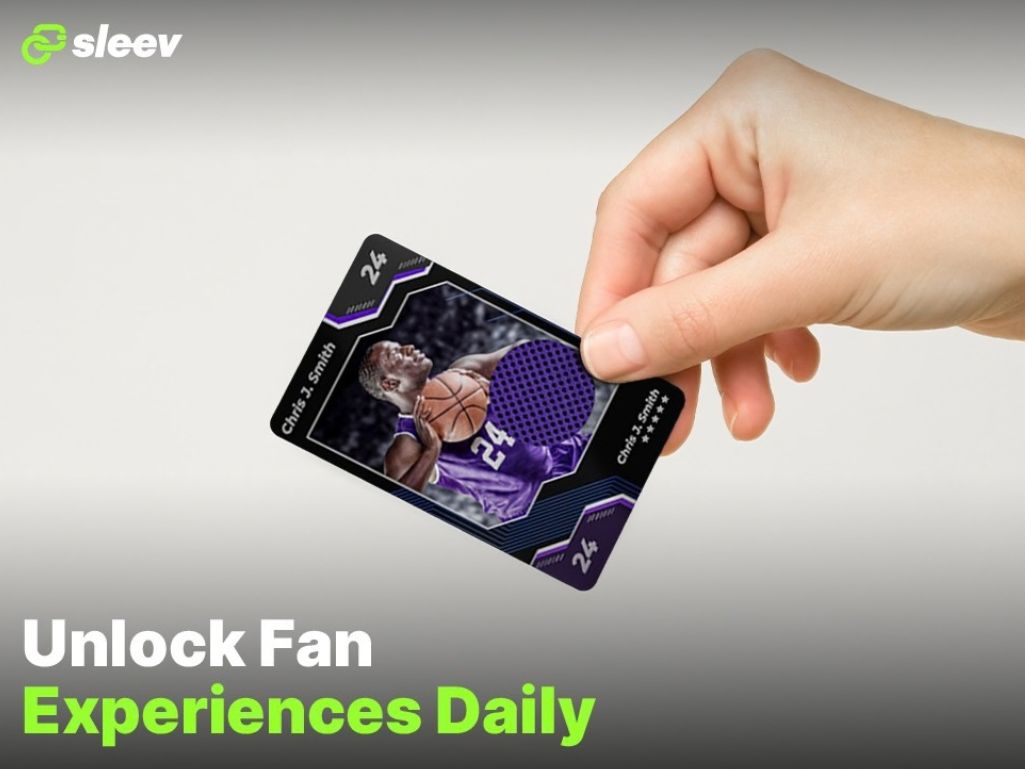
One of the most exciting developments in this space is the emergence of the connected collector card. Unlike traditional collectibles that serve primarily as memorabilia, connected collector cards combine premium physical design with digital functionality.
A connected card can commemorate a championship season, celebrate a milestone event, represent membership in a fan community, or provide access to exclusive experiences. Through tokenization and secure digital connectivity, the card becomes both a collectible object and a living extension of the brand.
Features such as authenticated ownership, digital content access, loyalty rewards, community participation, and future activations can all be tied to a single physical card. Additional enhancements, including premium materials, metal construction, illuminated elements, and other interactive features, create products that feel as innovative as the brands they represent.
For fans, the experience becomes more engaging. For organizations, the opportunities for ongoing interaction expand dramatically.
Building Movements, Not Merchandise
The future of fan engagement will not be defined by who sells the most merchandise. It will be defined by who builds the strongest communities.
The brands that thrive in the coming years will create opportunities for participation rather than simply ownership. They will transform products into platforms and transactions into relationships. They will find ways to make fans feel connected not just during major events, but throughout the entire year.
Connected collector cards represent a compelling example of this evolution. They bridge the physical and digital worlds, turning fan identity into an ongoing experience rather than a one-time purchase.
For sports franchises, entertainment properties, creators, and lifestyle brands, the opportunity is significant. The next generation of fan products will not simply be something people collect. They will be something people use, engage with, and carry as part of their identity.
Because the future of fandom is not about what people own. It’s about how they connect.